
Author: Dr. Bilal Ahmed Khan (Pakistan) writes about gardening and its therapeutic value.
Did you know gardening can improve attention span, reduce agitation, and instill a powerful sense of purpose? Explore the proven therapeutic benefits of this nurturing activity for brain health and well-being.
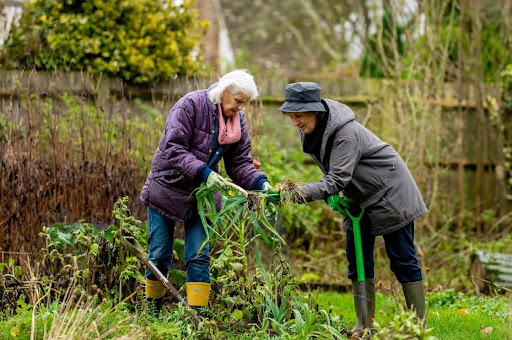
What if there were something that gave hope and helped promote quality of life for the person living with dementia and family members working together?
Multiple studies have shown time and again the wonderful benefits gardening can offer those living with dementia. It’s an activity that promotes enjoyment in being together and also improves physical and mental well-being in far more ways than one!
Great for Physical Activity
It is often noted that people living with dementia far too often become “house-bound.” This can be draining for them mentally and it can also affect them physically.
Gardening can be an excellent source of physical activity for them as it involves walking, bending, pulling, digging, and a lot of other activities that require them to exercise various parts of their bodies. In Australia, gardening is one main exercise for older individuals whether they suffer from dementia or not.
Improves Attention Span 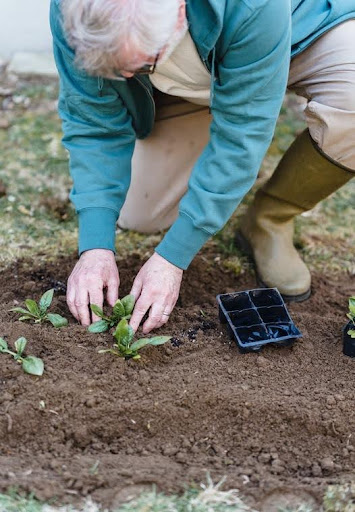
Dementia symptoms include loss of memory and shortened attention span. Nonetheless, gardening provides a multi-sensory experience that can help stimulate the cognitive faculties of people with dementia. The various colors, textures, fragrances, and sounds that a garden offers make it an excellent tool for engaging and sustaining attention.
Engaging in gardening tasks such as sowing seeds, watering plants, or pruning leaves, can also improve focus and concentration. The repetitive nature of these tasks can create a soothing rhythm that aids in maintaining attention over time.
Helps with Mood and Agitation
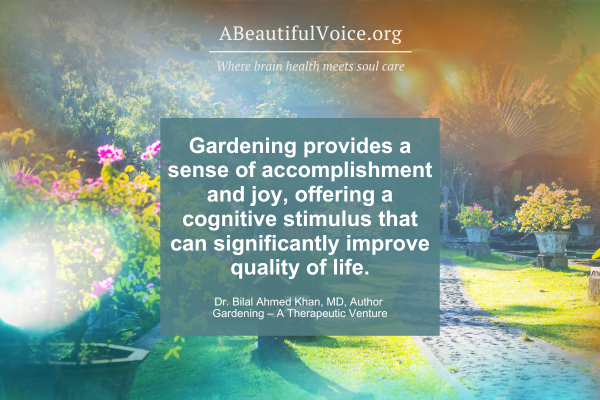
Gardening therapy provides a calming and familiar environment, allowing people with dementia to engage in a meaningful and purpose-driven activity. The act of nurturing plants triggers a sense of accomplishment and joy, providing a cognitive stimulus that can significantly improve their quality of life.
Instills a Sense of Purpose
If a loved one is suffering from depression, it is easier for them to fall into a sense of loneliness and loss of purpose. Gardening can be an incredibly therapeutic activity for them providing a sense of purpose in which they feel responsible for the plants and trees they are nurturing.
References to Studies
- Murroni, V., Cavalli, R., Basso, A., Borella, E., Meneghetti, C., Melendugno, A., & Pazzaglia, F. (2021). Effectiveness of therapeutic gardens for people with dementia: A systematic review. International Journal of Environmental Research and Public Health, 18(18), 9595. https://doi.org/10.3390/ijerph18189595 (https://www.ncbi.nlm.nih.gov/pmc/articles/PMC8469939/)
 Dr. Bilal Ahmed Khan, MD is a dedicated Medical Doctor from Pakistan. He merges his clinical expertise with a passion for writing to make complex medical concepts accessible. He is particularly interested in exploring and evidencing holistic therapeutic practices that improve quality of life.
Leave A Comment