
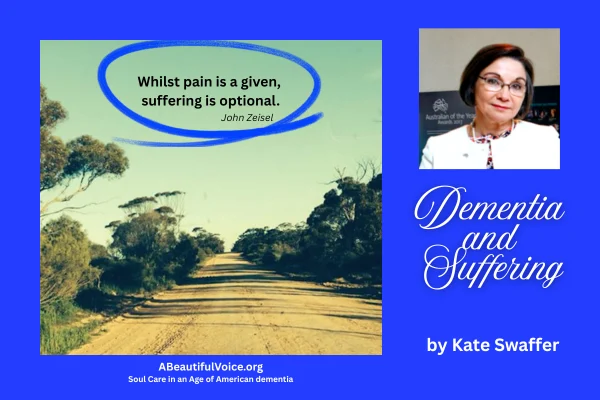
The discourse of suffering has long been a topic of lived/living experience dementia advocates and activists. Most people who’ve followed me here for a while now will know I have been very vocal about it, and how it is harmful to people living with a dementia diagnosis at any age. I presented on the topic on the power of language at a forum in Western Australia many years ago, and although it highlights my naivety in terms of presenting, what I said is still relevant.
Sadly, we seem to be decades away from any real change…
Yes, I suffer, from dementia some days, but that’s not all I suffer from!
Yet the global community of dementia experts, family members and care partners, the media, and civil society keep insisting our experience is exclusively one of suffering.
Many of the dementia charities still use the narrative of suffering in their ad campaigns, as it helps them with raise funding. However, this totally ignores the voices of people with dementia, and their own published language guidelines.
No wonder the media mostly refuse to use respectful language…
The UK ad was especially harmful, resulting in many losing hope, and even becoming suicidal. They didn’t care, and even ran it again. The outgoing CEO of ADI also persistently used extremely disrespectful language including referring to us as sufferers, and that we are ‘the weakest in society’.
Disturbingly, there appears to be no recourse for us to stop this despicable and disrespectful use of language about us, by the very people and organisations who say they support us. Shame on them.
So, this is a list (not exclusive) of the many things I also suffer from:
- Being prescribed disengagement following diagnosis.
- Stigma and Discrimination
- Economic Stigma
- Being told I don’t look like I have dementia
- The human rights violations experienced since diagnosis
- The denial of equal access to the CRPD
- Paternalism
- Therapeutic nihilism
- Ageism
- Ableism
- Being denied rehabilitation
- Being denied disability support
- The refusal of the ‘experts’ to embed dementia as a disability into research and practice.
- Moral injury
- Disrespectful language
- Being used by dementia charities to raise money, that doesn’t get spent to support people with dementia
- The farce of the dementia friendly initiatives, which continue to exclude us, and increase the stigma
- Systemic abuse by people without dementia
- Divisive policies and practices of dementia charities
- Divisive practices of too many researchers
- Silos, not collaboration
- I could go on…
Curiously, many years ago I was badly bullied online by a group of carers in the UK, who although their Facebook page – which used the exact same quote I have in the image above, really appeared to hate that I had a very different view to my own experience, than to theirs as care partners!
#SomeonesGottaSayIt
This post is republished with permission of author Kate Swaffer
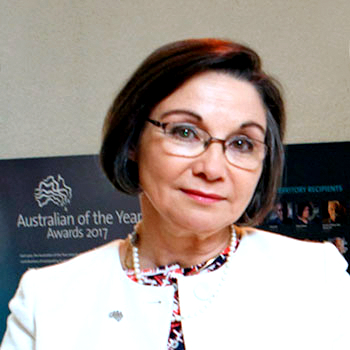
Author: Kate Swaffer
Activist & Academic
Keynote Speaker
2017 South Australian of the Year
Posted by:

Susan Troyer
Website Author & Curator
Leave A Comment